Zebras are one of the most common animals seen in the Ngorongoro Conservation Area. Local people call zebras Punda Milia in the Swahili language. They are calm and peaceful animals and are an important part of the Ngorongoro wildlife. Many visitors on safari hope to see zebras during their visit because they are easy to spot and move in large numbers across the plains.
Zebras in the Ngorongoro Conservation Area are most commonly found around Lake Ndutu and the Gol Mountains. These areas have short grass, which zebras prefer for grazing. During the rainy season, large numbers of zebras move into these areas to give birth. At peak times, the region can support more than 260,000 zebras.
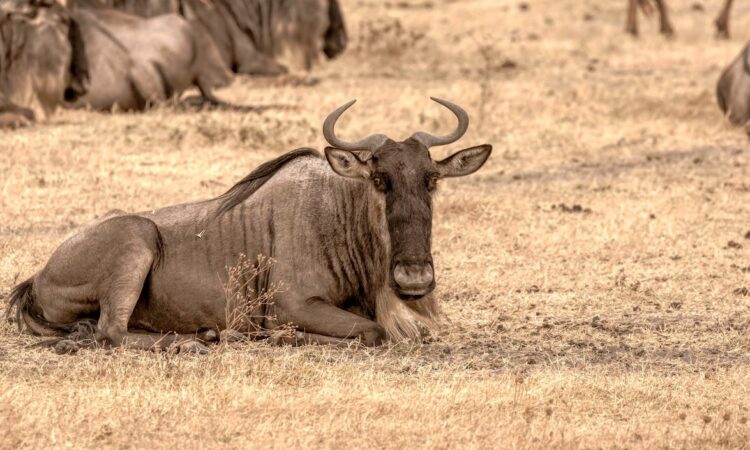
Zebras live in large groups, similar to wildebeests. Each group is led by a strong male known as a stallion. A stallion usually controls between two and six female zebras, called mares, along with their young. These groups can sometimes split into smaller units, but they often stay close to each other while grazing.
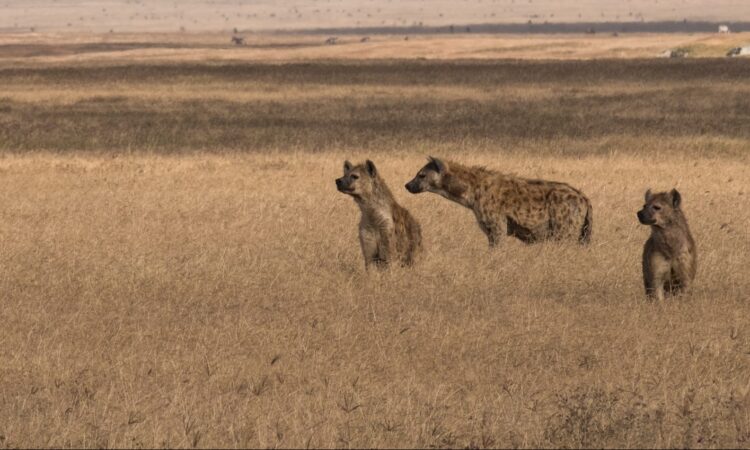
Zebras have strong social bonds. If one member of the group gets lost, the others may slow down or call out until it is found. They are always alert and watch for predators such as lions and hyenas. When danger is near, zebras stay close together to reduce the risk of attack. They move at a steady pace to make sure young and older zebras can keep up with the group.
Most predators hunt at night. Zebra stripes help confuse predators in low light, especially under moonlight. When zebras stand close together, their stripes blend and make it harder for predators to pick out one animal.
Zebras play an important role in the Ngorongoro ecosystem. Their grazing helps maintain grasslands, which also support other animals. Seeing zebras in the Ngorongoro Conservation Area is a key part of any safari experience in Tanzania.