Lake Eyasi is located in the eastern branch of the East African Rift Valley, southwest of the Ngorongoro Conservation Area in northern Tanzania. Lake Eyasi is a salt lake that has no outlet. It is mainly fed by the Sibiti River and the Baray River. Because the lake has no outflow, minerals and salt build up over time.
Lake Eyasi covers an area of about 1,050 square kilometers. The lake has high mineral and salt levels, which create a special environment for plants and animals that can survive in such conditions. The lake is also important for its cultural and historical value, not only for its natural features.
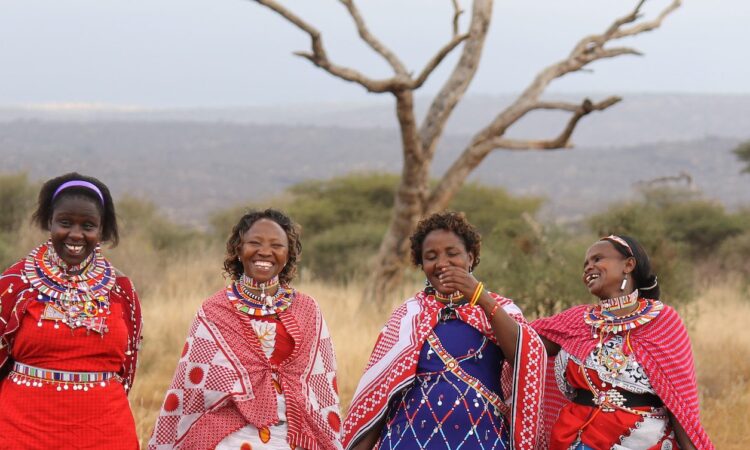
The areas around Lake Eyasi are home to two indigenous communities, the Hadzabe and the Datoga. These groups have lived around the lake for thousands of years and still follow many of their traditional customs today.
The Datoga people are known for cattle keeping and for their blacksmith skills. They make tools, weapons, and ornaments using traditional methods. They also practice small scale farming and move with their animals to find grazing land. The Hadzabe people are hunter gatherers. They depend on wild fruits, honey, roots, and hunting animals for food. Their way of life has changed very little over time.
Most visitors who travel to Lake Eyasi come for cultural experiences. Cultural tourism is the main activity around the lake. Visitors learn about Datoga daily life, traditions, and metal work. They can also join the Hadzabe on hunting trips or honey and fruit gathering walks. These experiences help visitors understand early human lifestyles.
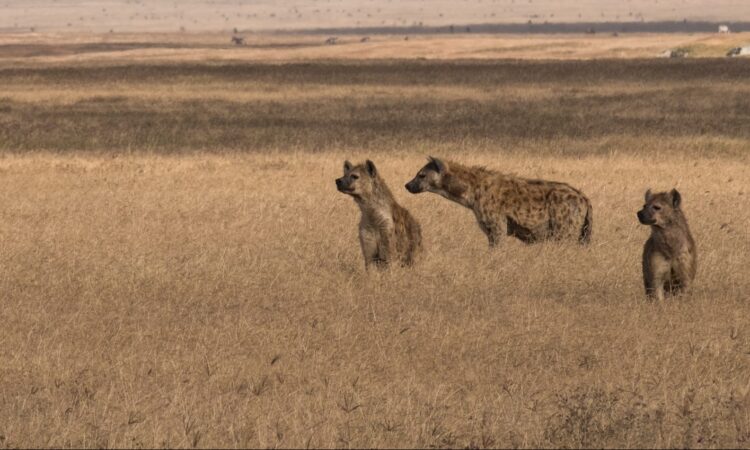
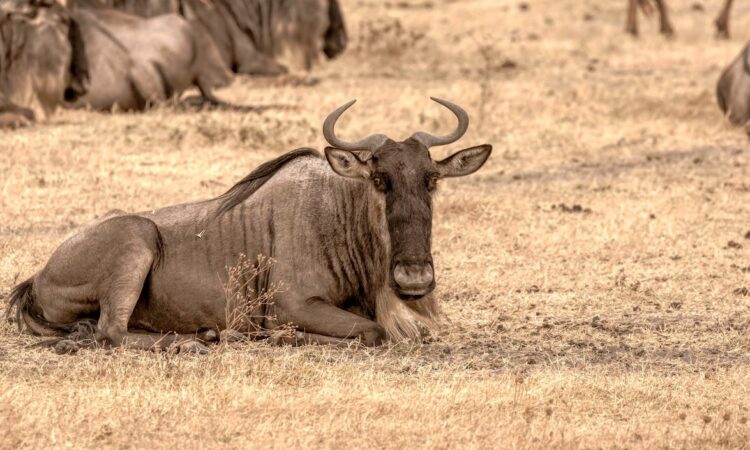
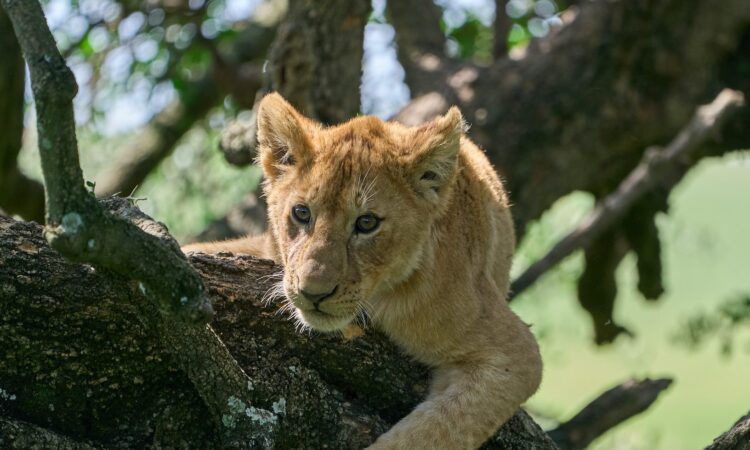
Lake Eyasi and its surroundings are also home to wildlife and birds. Bird species found here include flamingos, pelicans, storks, barbets, and weavers. Animals such as elephants, zebras, giraffes, and antelopes are sometimes seen around the lake and nearby plains.
A visit to Lake Eyasi offers both cultural and wildlife experiences. The lake also provides views of the Eyasi escarpment and lies close to other major safari destinations such as Serengeti National Park and Lake Manyara National Park. This makes Lake Eyasi an important stop on a northern Tanzania safari route.