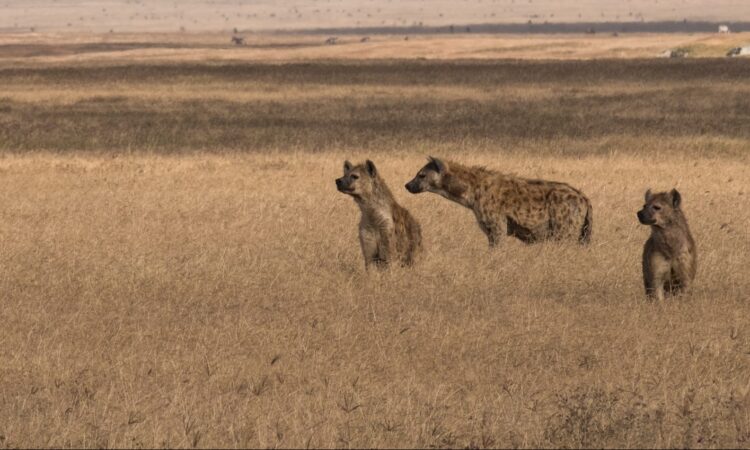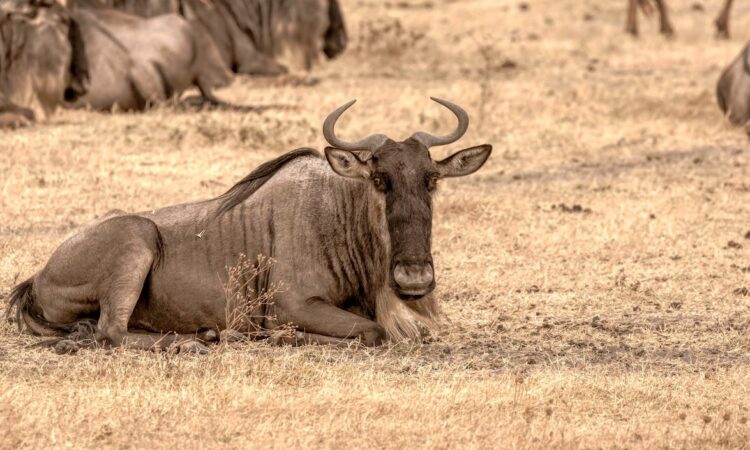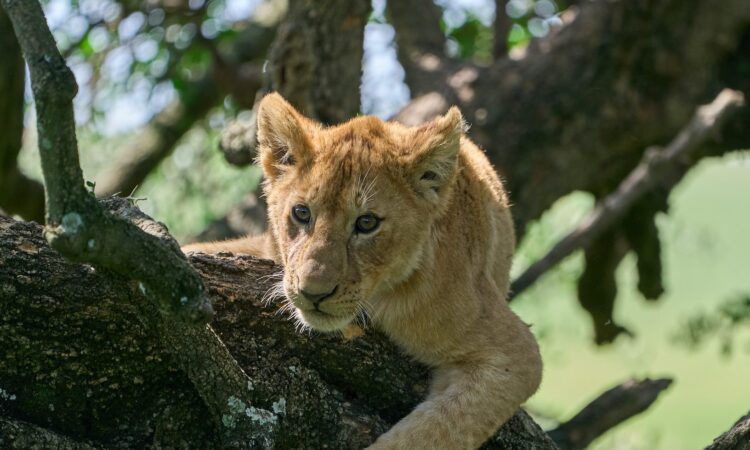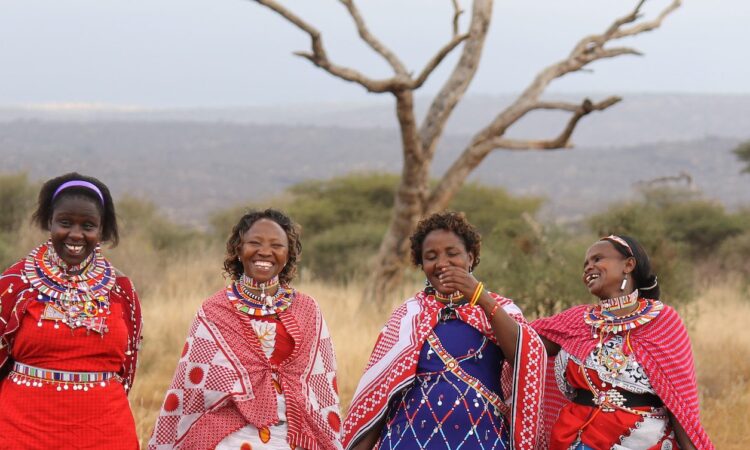
Ngorongoro Conservation Area is one of the most popular and most visited protected wildlife areas in Tanzania. It is located in the northern part of the country. The area is best known for the Ngorongoro Crater, which is a UNESCO World Heritage Site and one of the Seven Natural Wonders of Africa.
The Ngorongoro Crater is the largest unbroken and unfilled volcanic caldera in the world. It covers about 260 square kilometers and supports more than 25,000 animals within this small area. Over 500 bird species have also been recorded here. These features, together with forests, grasslands, swamps, and a soda lake, create strong safari experiences in Tanzania.
All visitors must pay entry fees before entering the Ngorongoro Conservation Area. These fees apply to both tourists and residents and are required at the main entry gates.
| Season | Category | East African Citizens | Non-East African Citizens | Expatriates / TZ Residents |
|---|---|---|---|---|
| Peak Season (16 May – 14 March) | Adults (16+) | TSh 10,000 | USD 60 | USD 35 |
| Children (5–15) | TSh 2,000 | USD 20 | USD 10 | |
| Children (Below 5) | Free | |||
| Low Season (15 March – 15 May) | Adults (16+) | TSh 10,000 | USD 60 | USD 30 |
| Children (5–15) | TSh 2,000 | USD 20 | USD 10 | |
| Children (Below 5) | Free | |||
Who qualifies as East African citizens
East African citizens include nationals of Tanzania, Uganda, Kenya, Rwanda, South Sudan, and Burundi.
Important notes
Once entry fees are paid, they are not refundable. All listed fees do not include VAT, which is charged at 18 percent. Payments can be made through the TANAPA online reservation system or by using electronic cards such as Visa and MasterCard at the entry gates.
Understanding the Ngorongoro entry fees helps visitors plan their safari budget better. Paying the required fees also supports wildlife protection, conservation work, and community programs within the Ngorongoro Conservation Area.