Lake Ndutu Airstrip is located in the Sinoni area of Tanzania. The airstrip has a runway that is about 1.3 kilometers long. It is close to Lake Ndutu, which lies in the south eastern part of the Serengeti National Park and a short distance from the eastern side of the Ngorongoro Conservation Area. Because of its location, Lake Ndutu Airstrip is a useful access point for travelers visiting both Serengeti and Ngorongoro.
The airstrip is suitable for small aircraft arriving from different parts of Tanzania. Many safari flights use this airstrip, especially during busy travel periods. There are several airstrips in the wider Ndutu and Serengeti area, and flight schedules are usually planned based on where visitors are staying. Lodges and camps within the Ngorongoro Conservation Area and Ndutu region often determine which airstrip is most convenient for arrivals and departures.
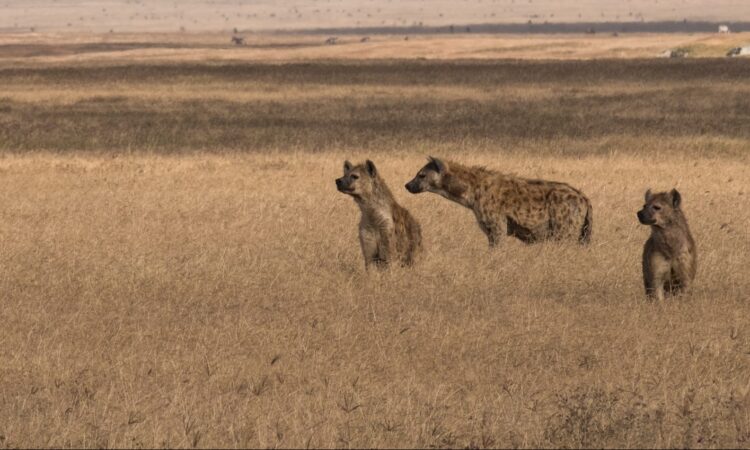
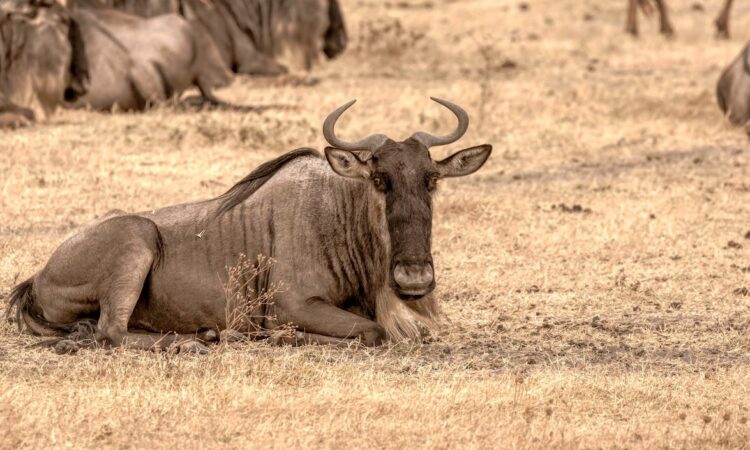
Lake Ndutu is located in the south eastern side of Serengeti National Park, close to the Ngorongoro Conservation Area. The lake sits within open plains and offers clear views across the surrounding area. Because it is located in open land, wildlife is easy to see as animals gather around the lake for water and grazing.
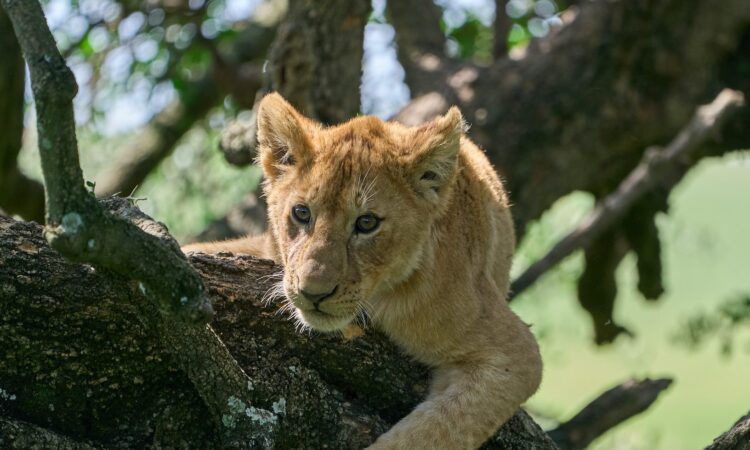
The area around Lake Ndutu is covered with many acacia trees. These trees provide shade and food, which attracts many animals. Lake Ndutu has been a popular place for tourism since the 1960s. It has drawn filmmakers, wildlife researchers, and documentary teams for many years. Well known researchers such as Jane Goodall and Hugo van Lawick used Ndutu as a base during much of their research work.
Lake Ndutu has enough water and vegetation to support many animals and the predators that hunt them. Many bird species are also found here, making it a good place for bird watching. The lake is shallow and alkaline. It sits on the south eastern border of the Serengeti and shares the same basin with Lake Masek, which lies on the eastern side of the Ngorongoro Conservation Area.
In 1973, excavation research along the shores of Lake Ndutu led to the discovery of cranium mineral remains in the Ngorongoro Conservation Area. These studies were carried out to search for remains believed to be over 500,000 years old.