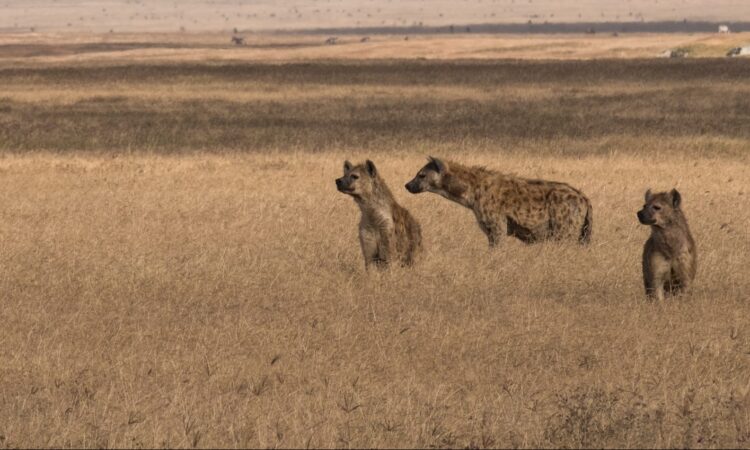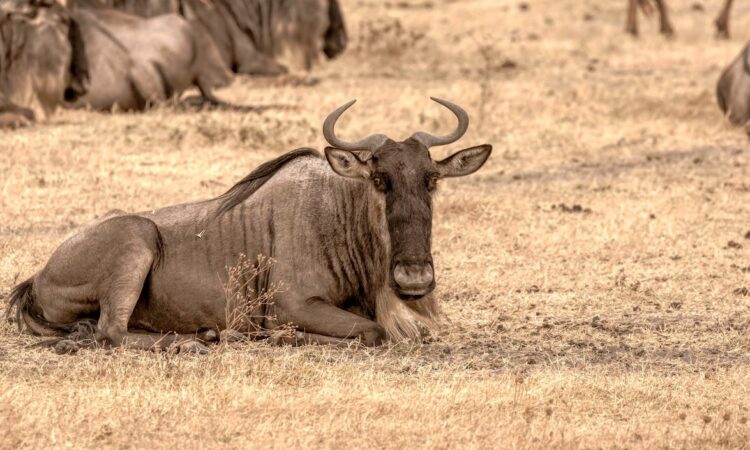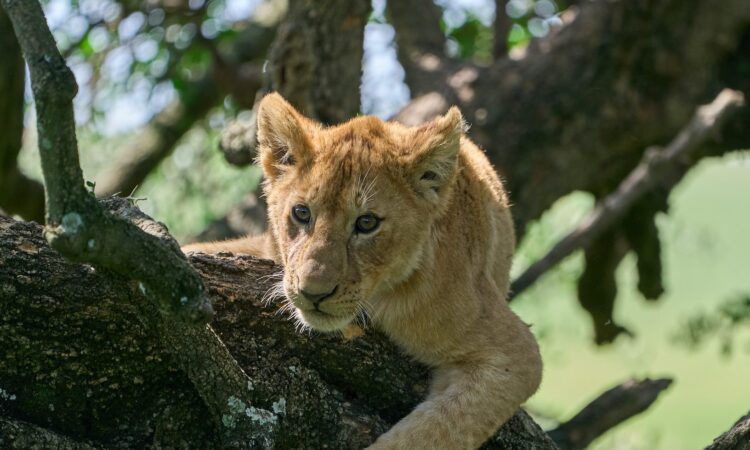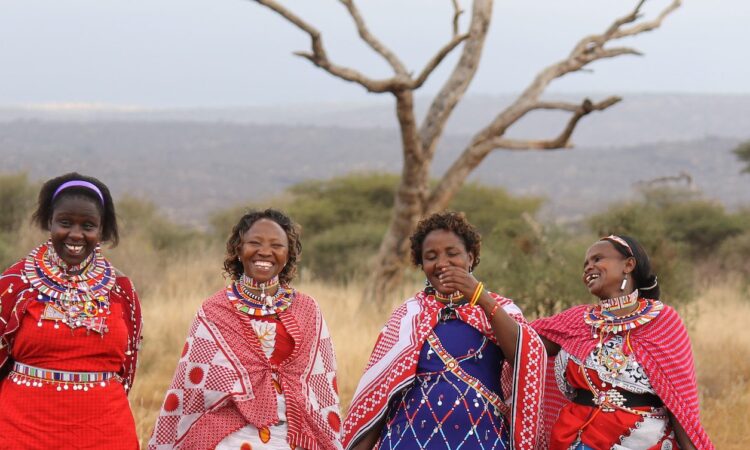
Ngorongoro in March is the first month of the wet season. During this time, there is a high chance that rainfall may still be low, especially at the beginning of the month. In some cases, there may be little rain or none at all, which allows visitors to enjoy normal activities such as game drives and short walks. As the month progresses, rainfall may slowly increase.
Hiking during Ngorongoro in March is usually not recommended. Even light rain can make trails muddy and slippery. Some paths may become hard to use, and certain areas may be avoided if they become impassable. For some travelers, this can reduce enjoyment, especially for hiking and walking activities. However, for others, visiting Ngorongoro in March can feel like a real adventure. Weather conditions can add excitement, but they may also limit photography opportunities at times.
Ngorongoro in March is a good option for travelers who want fewer crowds. Since many visitors prefer the dry season, the number of tourists starts to reduce as the wet season begins. This makes March suitable for people who want quiet surroundings, peace, and time to enjoy nature without many other visitors.
The wet season can be the best time for travelers who value calm and privacy in the wild. Lodges may be less busy, and service can feel more personal. Wildlife viewing is still possible, although movement may be limited in some areas due to road conditions.
It is always advised to work with a local tour operator when planning a trip to Ngorongoro in March. Local operators are on the ground and closely follow weather changes. They can help plan safe routes, suggest suitable activities, and adjust schedules based on current conditions.
What to wear in Ngorongoro is very important. Avoid tight clothes and choose loose and comfortable clothing. Carry only what you need because many lodges and camps offer laundry services. The weather in the Ngorongoro Conservation Area can change at any time, so clothes should suit both rainy and dry conditions.
Clothing to pack includes many T shirts, long sleeved shirts, several pairs of shorts, light long trousers, a jacket or jumper, a scarf, underwear, cotton socks, pyjamas, sneakers, sandals, a hat or cap, and swimming equipment if needed. Heavy gloves are useful during the wet season.
Other useful items include ATM bank cards, debit or credit cards, sunglasses, sunscreen and lotions, lip balm, a torch or flashlight, mosquito repellent, vaccination certificates if required, and a copy of your safari itinerary. Also carry some cash in different bills, your passport or travel documents, flight tickets, insurance documents, hand sanitizers, wipes, tissue paper, a camera with batteries and memory cards, snacks, and toiletries.
A small medical kit is also important. It should include basic first aid items such as medicine for stomach problems, headaches, burns, allergies, food poisoning, malaria prevention, and sleeping pills if needed. Always talk to your doctor and carry only what they advise.