Olmoti Crater is found in the northern sector of the Ngorongoro Conservation Area. It lies south of the nearby Empakaai Crater, which makes it easy to visit both craters during the same trip. Olmoti Crater is one of the lesser visited sites in Ngorongoro, but it offers a calm and rewarding experience for travelers who enjoy nature walks and open landscapes.
Olmoti Crater is an important water source in the area. It is the main source of the Munge River, which flows down from the crater and supports wildlife and communities in lower areas. Because of this water source, the crater floor and surrounding slopes have good vegetation cover. The crater is shallow and wide, with grass, bushes, and plants that support grazing animals.
Unlike the Ngorongoro Crater, Olmoti Crater does not attract large crowds. This makes it a good place for visitors who want a quiet walk away from busy game drive routes. Guided walks are the best way to explore Olmoti Crater. Walking allows visitors to enjoy views of the crater walls, the open floor, and the surrounding highlands.
Olmoti Crater is not as famous as other attractions in Ngorongoro, but it is still worth visiting. The area offers clear views and a chance to learn about the volcanic history of the region. Since Empakaai Crater is close by, many visitors choose to see both craters in one day. This combination gives a better understanding of the landscape and geology of northern Ngorongoro.
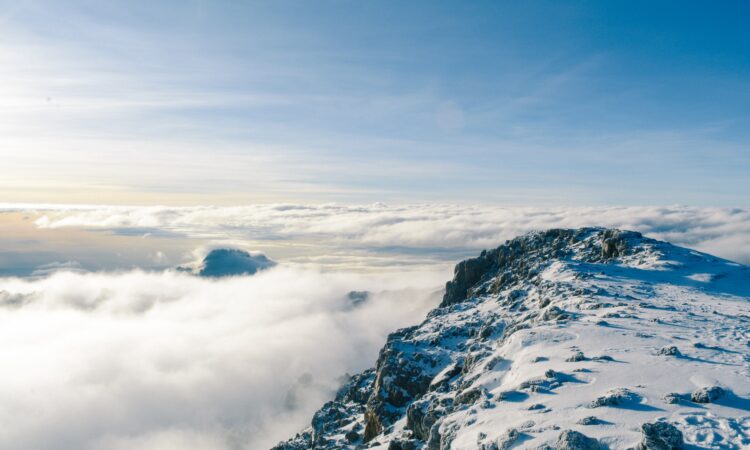
The highest point of Olmoti Crater stands at about 3,080 meters above sea level. From this height, visitors can enjoy wide views across the highlands. The crater has a diameter of about 6.5 kilometers, making it large enough to explore without feeling crowded.
A visit to Olmoti Crater adds variety to a safari in Tanzania. It offers walking experiences, learning opportunities, and peaceful surroundings within the Ngorongoro Conservation Area.