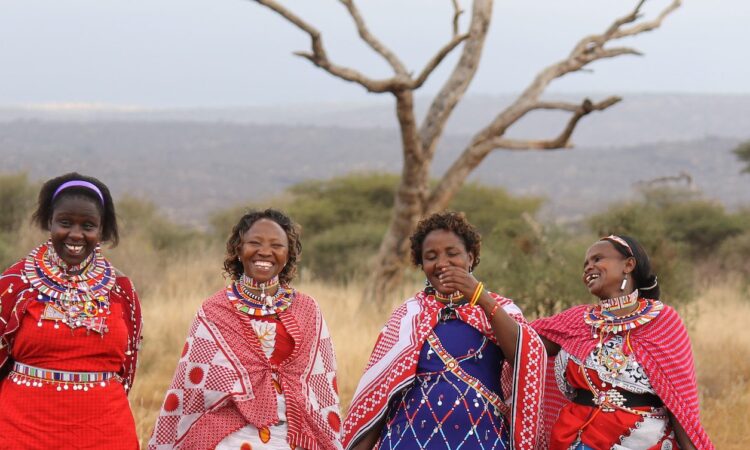
The Makonde people are an ethnic group found in south eastern Tanzania, parts of Kenya, and northern Mozambique. According to recent population estimates, the Makonde people number about 1.1 million in Tanzania and around 230,000 in Mozambique. In Tanzania they are known as Makonde, while in Mozambique they are called Maconde. The two groups are separated by the Ruvuma River. Even though they live in different countries, they share similar customs and traditions, though their language dialects differ slightly.
Language
The Makonde people speak Chimakonde, which is a Bantu language. This language is closely related to the language spoken by the Yao people. In Tanzania, many Makonde also speak Kiswahili and English. In Mozambique, Makonde people commonly speak Portuguese in addition to Chimakonde. Language plays an important role in passing traditions and cultural values from one generation to the next.
Economy
The Makonde are mainly farmers. They practice stump cultivation, which helps reduce soil erosion and protect farmland. Farming is done using traditional tools, many of which are made by Makonde blacksmiths. These tools are used for farming and daily life. The Makonde people are also known for their skills in art, especially wood carving. Many visitors come to see and buy Makonde artwork. The main crops grown by the Makonde include cashew nuts and sisal, which are important for income.
Kinship system
The Makonde follow a matrilineal system. This means family lineage is traced through the mother’s side. After marriage, a man moves to live in the village where his wife comes from. The Makonde community is divided into clans, and each clan includes several extended families. Each clan is led by a chief. The next chief is usually chosen by the current leader.
Rites of passage
Boys are initiated into adulthood through formal ceremonies. These rites include circumcision and lessons on hunting, farming, and social behavior. Elders teach boys about respect, responsibility, and community values. Initiation for girls is more private and usually takes place inside the home. Mothers guide their daughters through lessons about adulthood and family life.
Marriage and art
Since land is owned by women in this matrilineal society, men settle in their wives’ villages after marriage. Polygamy is practiced in some cases, and men may move between villages. Makonde art is one of the most recognized features of this group. Their carving styles have changed over time, influenced by contact with other cultures, especially during the Portuguese period.