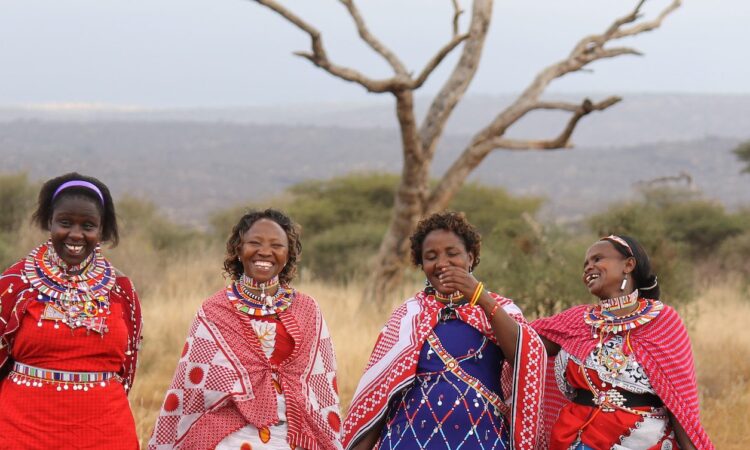
Tanzania is one of the countries in Africa with many ethnic groups. There are about 120 ethnic tribes in the country. The Chagga people of Tanzania are the third largest ethnic group. They have lived for many years on the foothills of Mount Kilimanjaro in northern Tanzania.
The Chagga people are divided into more than 400 clans. Each clan was led by a local chief known as a mangi. Above all the clan leaders was the Mangi Mkuu, who was the chief of chiefs. The Chagga speak the Chagga language, but they also speak Kiswahili, which is the national language of Tanzania.
History of the Chagga clans
The Chagga clans were formed after many civil wars that took place in the area many years ago. These wars led to the division of the community into smaller groups for protection and control. Clan boundaries were marked using natural features such as rivers, valleys, and rocks. Over time, these divisions reduced, and the modern Chagga people became more united than in the past.
Although the Chagga are one ethnic group, they were organized into many chiefdoms. Each chiefdom controlled a certain area around Mount Kilimanjaro. Today, the clans still exist, but they no longer fight each other.
Chagga chiefs
In the past, Chagga chiefs held a lot of power in the community. They acted as judges and settled disputes among their people. They also led wars between clans and made decisions on land and movement. Any person passing through Chagga land had to get permission from the local chief. Even the first Europeans who came to explore Mount Kilimanjaro had to seek approval from the Chagga chiefs.
Economic activities
Because of the fertile soils around Mount Kilimanjaro, the Chagga people are mainly farmers. They grow crops such as bananas, coffee, beans, maize, and millet. Finger millet is an important crop because it is used to make a local drink called Mbege.
Mbege is shared during social events and is served in a communal pot. This practice helps strengthen unity among the Chagga people. Their local food includes meat, vegetables, fruits, bananas, maize, and beans.
Before colonial times, the Chagga wore clothes made from cowhides and animal skins. Today, the Chagga are among the most educated groups in Tanzania. They are also known for business skills. This is linked to the early arrival of Christianity and formal education in the Kilimanjaro area.