The Datoga tribe, also known as Mang’ati in Kiswahili or the Barbaig tribe, are an indigenous agro pastoral nomadic group living in Tanzania. They are mainly found in the northern part of the country, in areas surrounding the Ngorongoro Conservation Area, Lake Eyasi, Lake Basotu, and the Manyara region. These areas provide land for grazing and small scale farming, which supports their daily life.
The Datoga people see themselves mainly as traditional pastoralists. Livestock, especially cattle, is the center of their life. Cattle are a sign of wealth, respect, and survival. The Datoga are known as skilled herders who move with their animals in search of pasture and water. Although cattle keeping is their main activity, they also practice farming. Common crops include beans, millet, and maize. Some Datoga also take part in wage based labor to support their families.
The Datoga speak a Nilotic language known as Datoga or Barbaig. Only a small number speak Kiswahili, which is widely used in Tanzania. This is because the Datoga tend to keep to themselves and often marry within their own tribe. They value their traditions and prefer limited contact with outsiders.
The Datoga tribe is made up of several smaller groups. These include Barabayiiga, which is the largest group, Gisamjanga, Rootigaanga, Bianjiida, and Tsimajeega. Each group shares similar customs but may differ slightly in lifestyle and location.
The Datoga are known as strong and proud warriors. They live close to nature and follow many traditional customs. Body marking is common, especially circular patterns around the eyes, which are done through tattooing. These markings are part of their identity and culture.
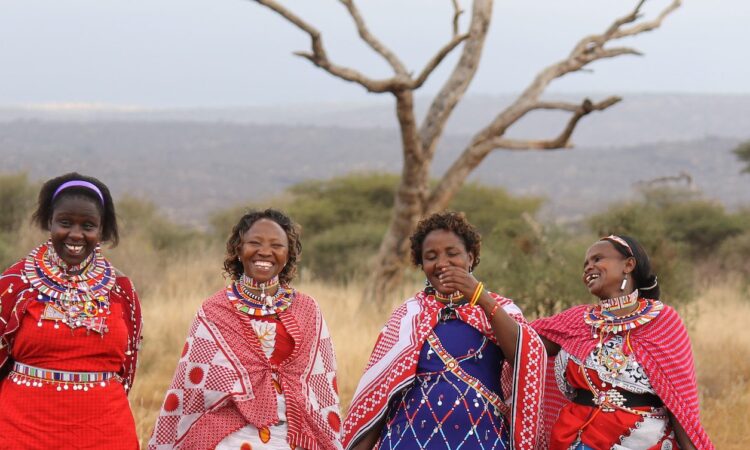
Datoga men usually wear a red Maasai style blanket over their shoulders, with shirts and shorts underneath. Women wear woven red cloth or leather capes. They also wear metal ornaments on their ears, arms, and necks, often decorated with colorful beads.
The Datoga society is well organized and based on clans. Elder men hold authority and make important decisions for the group. Women play a key role in raising children and managing household duties.
The Datoga are generally reserved toward outsiders. In the past, young men were expected to prove bravery by facing enemies or dangerous animals such as lions. Although conflicts with neighbors have occurred, the Datoga have also traded cattle and goods with nearby communities.
Like many indigenous groups, the Datoga have experienced changes due to urban growth, modern life, and cultural tourism. Even with these changes, they continue to hold onto many of their traditions and way of life.