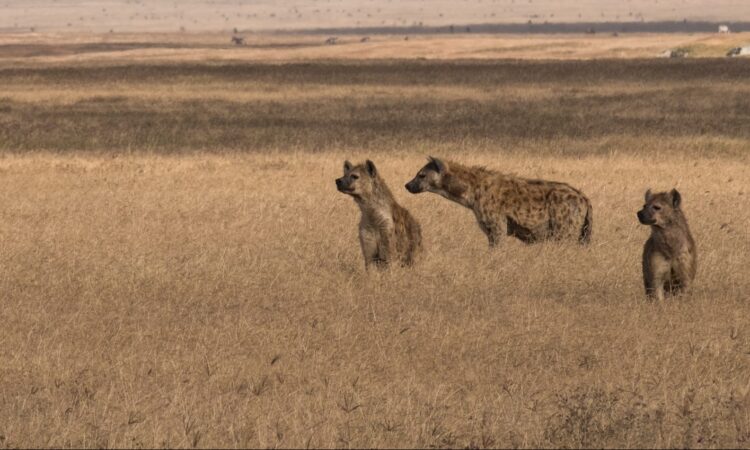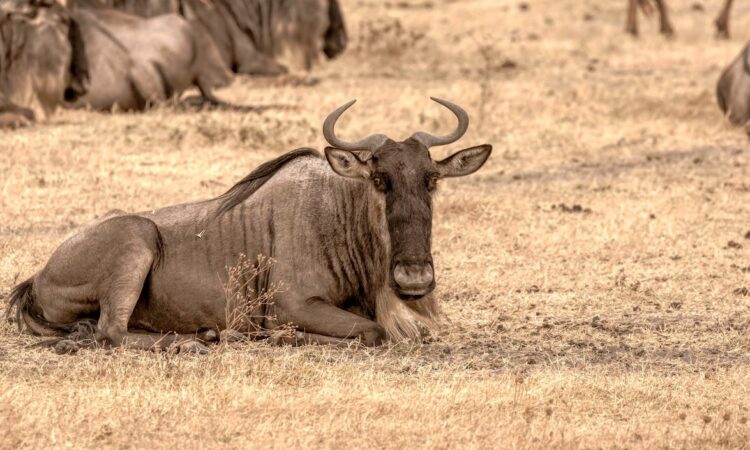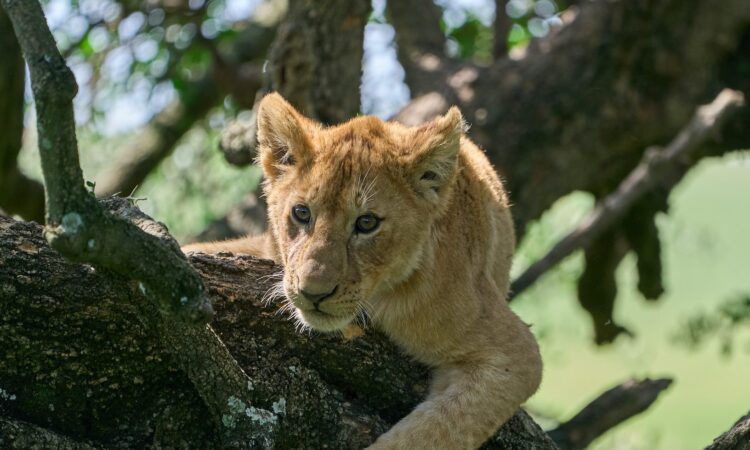
Ngorongoro in January usually marks a clearer start of the dry season. In most cases, the dry season has fully begun by this time. However, it is still possible to experience some rainfall because Ngorongoro lies in a tropical area where rain can occur at any time of the year. Even with this possibility, travelers visiting Ngorongoro in January can expect warm days, clear skies, and sunny mornings and evenings.
Weather records show that when it rains in January, it mostly happens during the day. This makes it easier to plan early morning and late afternoon activities such as game drives. Roads are generally in good condition, and wildlife viewing is often good because animals move freely across the area. January is also a good time for photography because of the clear light during most parts of the day.
It is always advised to work with a local tour operator when planning a visit to Ngorongoro in January. Local operators are on the ground and closely follow weather patterns. They can help you choose the best travel dates and plan activities based on current conditions.
What to wear in Ngorongoro is very important. Avoid tight clothing and choose loose and comfortable clothes. Carry only what you need because many lodges and camps offer laundry services. The weather in the Ngorongoro Conservation Area can change quickly, so your clothes should suit both warm and cool conditions.
Clothing items to pack include many T shirts, long sleeved shirts, several pairs of shorts, light long trousers, a jacket or jumper, a scarf, underwear, cotton socks, pyjamas, sneakers, sandals, a hat or cap, and swimming equipment if needed. Heavy gloves are mainly useful during the wet season but can help during cold mornings.
Other useful items include ATM bank cards, debit or credit cards, sunglasses, sunscreen and lotions, lip balm, a torch or flashlight, mosquito repellent, vaccination certificates if required, and a copy of your safari itinerary. Also carry some cash in different bills, your passport or travel documents, flight tickets, insurance documents, hand sanitizers, wipes, tissue paper, a camera with batteries and memory cards, snacks, and toiletries.
A small medical kit is important. It should include basic first aid items such as medicine for stomach problems, headaches, burns, allergies, food poisoning, malaria prevention, and sleeping pills if needed. Always talk to your doctor and carry only what they advise.