Vegetation in the Ngorongoro Conservation Area changes from place to place. These differences are mainly caused by changes in altitude and land forms. The mix of plains, highlands, and volcanic features creates several vegetation types across the area.
Most of the Ngorongoro Conservation Area lies below 1,300 meters above sea level. This level falls within the cultivated climate and vegetation zone. In this zone, rainfall from the surrounding highlands flows down and supports plant growth on the lower plains. Because of this, the area can support both natural grasslands and areas used by people for farming and grazing.
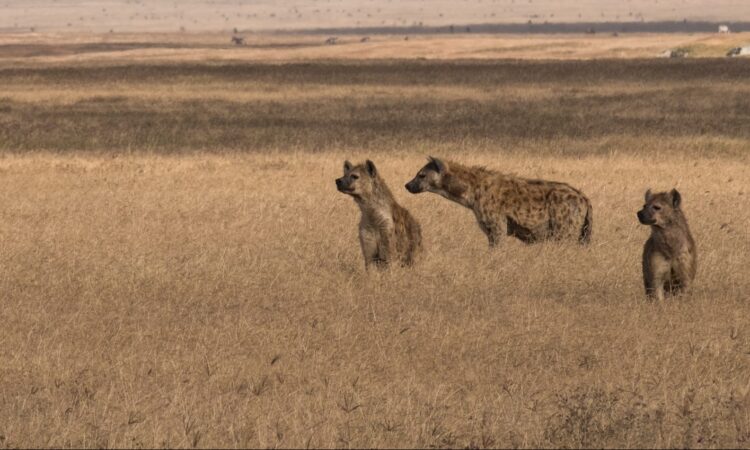
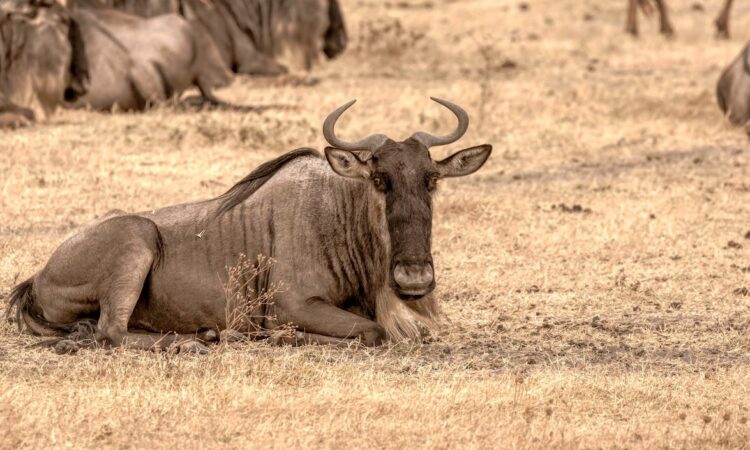
The most common vegetation type in Ngorongoro is short grass. These grasses grow well on the open plains and are important for grazing animals such as wildebeests, zebras, and gazelles. The short grass areas hold moisture from rainwater that comes from the highlands. This makes them good feeding grounds, especially during the rainy season.
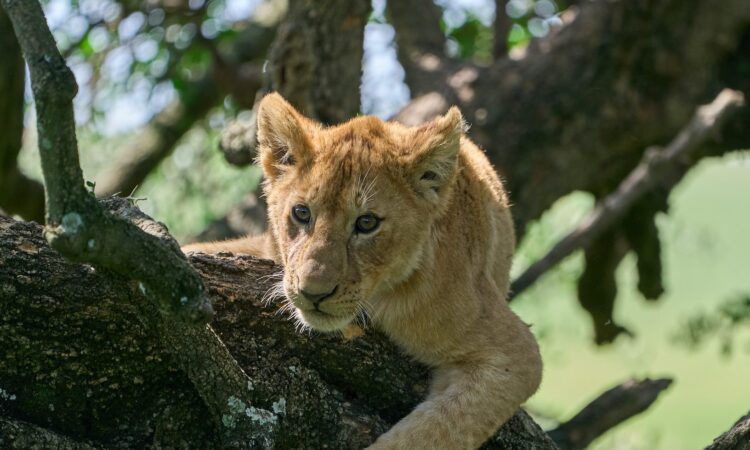
These grasslands are also known as savanna vegetation. Savanna areas in Ngorongoro are made up of grass mixed with short bushes and scattered trees. Acacia trees are the most common tree type found here. Acacia trees provide shade and food for many animals and birds. They also help protect the soil from erosion.
In addition to open grasslands, there are patches of woodland in the Ngorongoro Conservation Area. These woodlands usually grow in areas with slightly higher moisture levels. They provide shelter for animals that prefer more cover, such as elephants, buffaloes, and some bird species.
There are also swamps and marshes found in different parts of Ngorongoro. These wet areas are important sources of water, especially during the dry season. Animals gather around swamps and marshes to drink and feed. The plants found in these areas are different from those in the grasslands and include reeds and water plants.
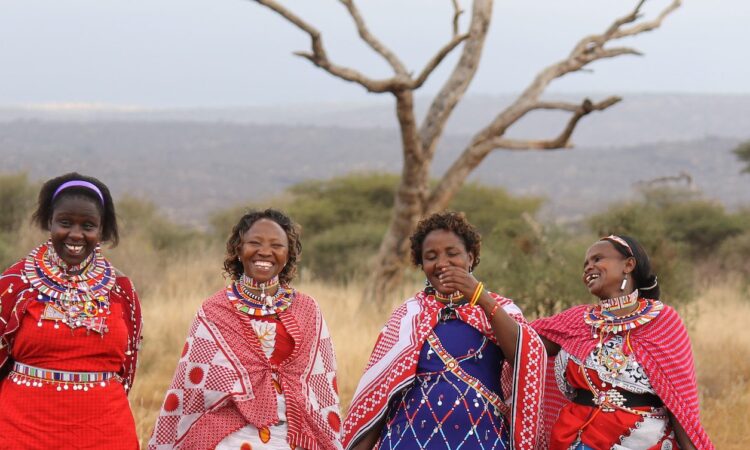
The mix of grasslands, woodlands, swamps, and marshes makes the Ngorongoro Conservation Area an important habitat for wildlife. Vegetation supports grazing animals, predators, birds, and people who live in and around the area. This balance between land, plants, animals, and human use is one of the key features of Ngorongoro.