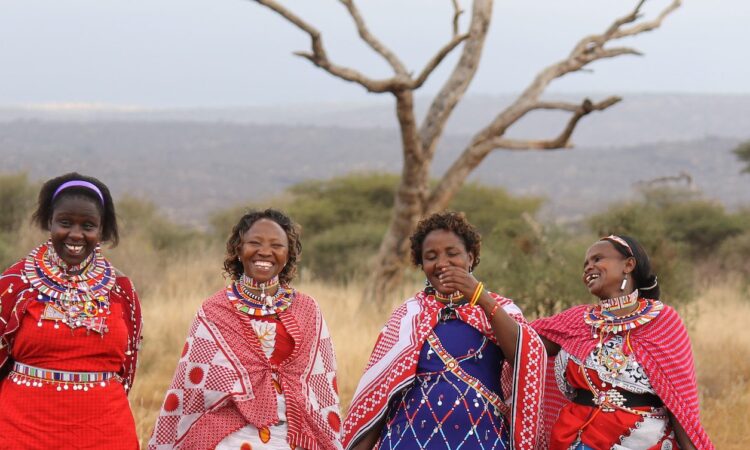
Ngorongoro Meaning comes from the language and daily life of the Maasai people, who have lived in this area for many generations. The name Ngorongoro is closely linked to cattle keeping, which is at the center of Maasai culture and survival.
In a traditional Maasai herd of cows, there is always a lead cow. This cow wears a bell around its neck. The bell helps Maasai warriors know where their cattle are while grazing. By listening to the sound of the bell, they can tell the direction the herd is moving and how fast the cows are walking. This is very useful when cattle are spread across wide grazing land.
Each time the lead cow moves, the bell produces a clear ringing sound. The sound is often described as “ngor ngor”. When this sound echoed across the surrounding hills, it seemed to repeat itself. The Maasai believed the echoes made it sound as if another cow was responding from the opposite side of the hills. Because of this repeated sound, the Maasai began calling the area “ngor ngor”.
Over time, this simple sound based name became strongly linked to the land itself. The hills and wide open space helped carry and repeat the bell sound, making the name even more fitting. As the area became more known to people from outside the region, the name slowly changed in pronunciation and spelling.
After the arrival of Europeans, the name was modified to Ngorongoro. This name was then officially used to refer to the entire protected area, which is now called the Ngorongoro Conservation Area. The name also became linked to the famous Ngorongoro Crater, which sits at the heart of the conservation area.
Today, Ngorongoro is known all over the world for its wildlife, landscapes, and history. Even so, the meaning of Ngorongoro remains deeply connected to Maasai culture and cattle herding traditions. The name reflects how people lived with nature long before modern conservation began.
Understanding the Ngorongoro meaning helps visitors appreciate that this famous destination is not only about wildlife and scenery, but also about culture, history, and the close relationship between people, animals, and the land.