For most travelers coming to Africa, one of the biggest worries is malaria in Ngorongoro. Malaria is a serious disease and remains one of the major causes of illness among local communities living around the Ngorongoro Conservation Area. Visitors should understand the risks and take proper precautions.
The Ngorongoro area has large forest coverage and many water collection points. These conditions attract mosquitoes because they breed in areas with standing water. The conservation area is home to the world’s largest crater lake, which was formed about 2.5 million years ago. There is also another lake located on the crater rim.
One of the known water bodies in the area is Lake Magadi. Lake Magadi is a small alkaline lake with stagnant water. This makes it another breeding place for mosquitoes. In addition, there are several other lakes and wetlands within the Ngorongoro area, which increase the risk of mosquito presence.
The Ngorongoro Conservation Area is listed as a UNESCO World Heritage Site and is also counted among the Seven Wonders of Africa. Like many parks in Tanzania and other parts of Africa, there is a risk of malaria because parks are bushy and have stagnant water.
This does not mean that visitors should avoid Ngorongoro. It simply means that travelers must take proper steps to reduce the risk of malaria. Visitors are advised to always carry mosquito repellent and apply it regularly, especially in the evening and early morning.
While staying at lodges or camps, travelers should sleep under treated mosquito nets. Some visitors also take anti malarial medicine to help protect themselves. This should only be done after advice from a medical professional.
If you notice any signs of malaria such as fever, headache, or body weakness, inform your guide immediately and visit a medical center early. Early treatment helps prevent serious illness.
Wearing long sleeved clothes also helps protect against mosquito bites and other insects. Malaria is more common during the wet season when mosquito breeding increases.
The best time to visit Ngorongoro depends on your budget and available time. The area can be visited all year round.
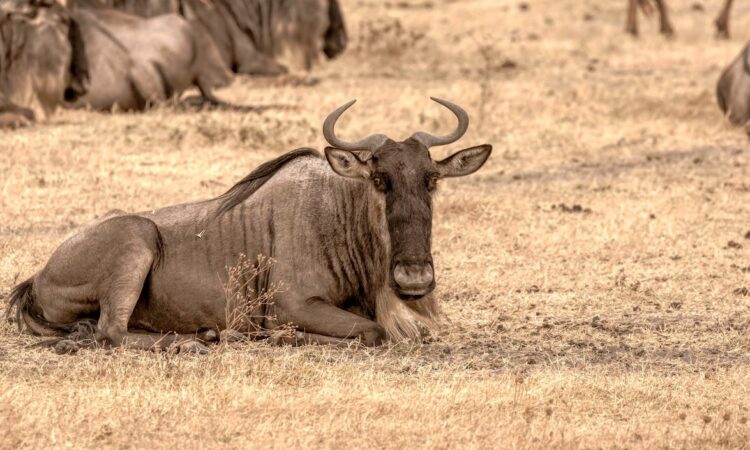
Peak season usually falls in the dry months from mid June to September and from December to February. The period from June to September also matches the wildebeest migration.
The rainy or low season runs from March to mid June and from October to November. This season has fewer visitors and greener grass, which is good for photography. Rain does not fall all day during this period.