How big is the Ngorongoro Conservation Area? Ngorongoro Conservation Area is very large. It covers about 8,292 square kilometers. This wide area includes open plains, forests, lakes, hills, and volcanic features. Because of its size, visitors can explore many different places within one protected area. A trip to Ngorongoro offers wildlife viewing, cultural sites, and important historical locations all in one region.
One of the most important attractions inside Ngorongoro is Olduvai Gorge. This site is known around the world for its role in human history. Olduvai Gorge is believed to hold some of the oldest human remains ever found. Because of this, many people refer to it as the Cradle of Humankind. In the 1950s, paleoanthropologists Louis Leakey and Mary Leakey discovered early human fossils at this site. These findings helped scientists understand how early humans lived and evolved.
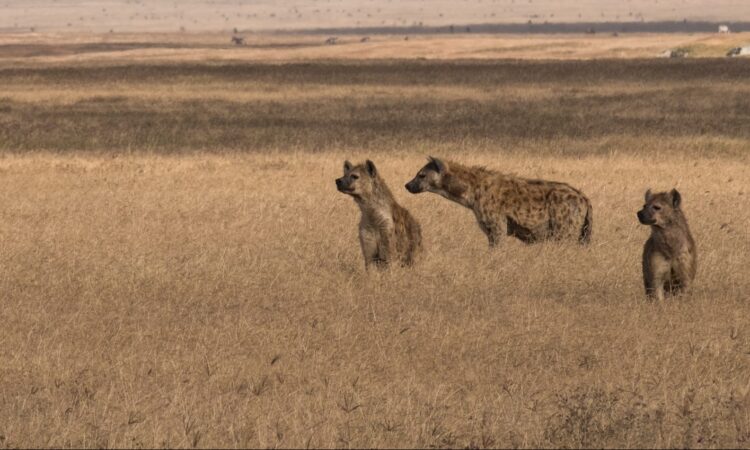
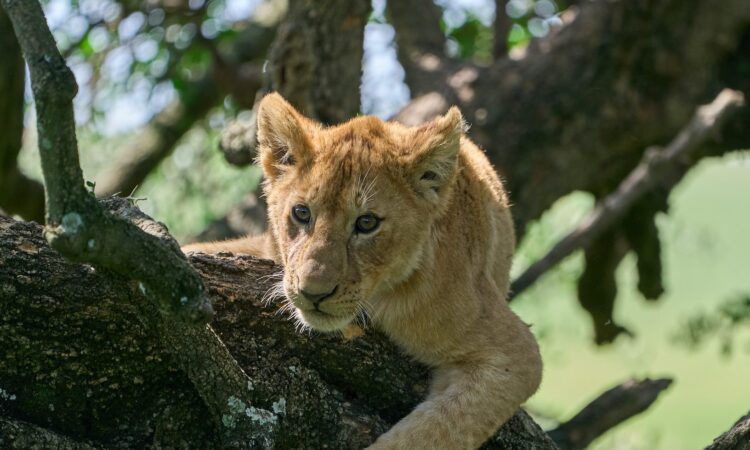
Ngorongoro Conservation Area is also rich in wildlife. The area supports about 25,000 large animals living within its boundaries. These animals include lions, elephants, rhinos, buffaloes, leopards, giraffes, zebras, and many antelope species. Because the area includes water sources and grazing land, animals are able to stay here throughout the year.
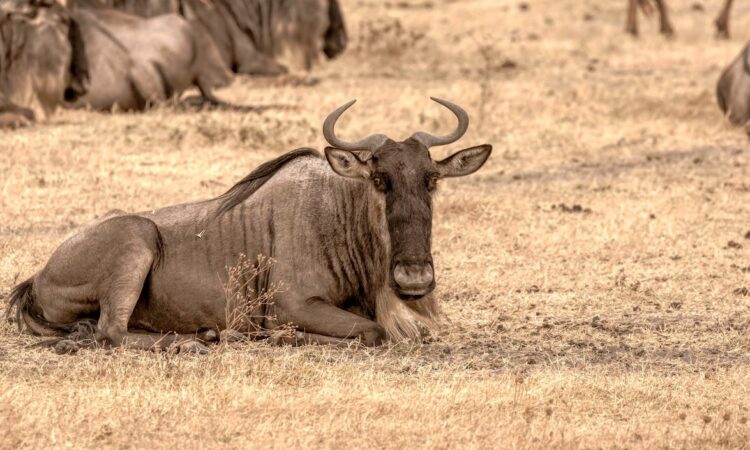
During the rainy season, Ngorongoro becomes even more active with wildlife movement. Over 1.7 million wildebeests migrate into the Ndutu Plains for the calving season. This period is important because thousands of young animals are born within a short time. Along with wildebeests, about 470,000 gazelles and more than 260,000 zebras also move into the same area to give birth.
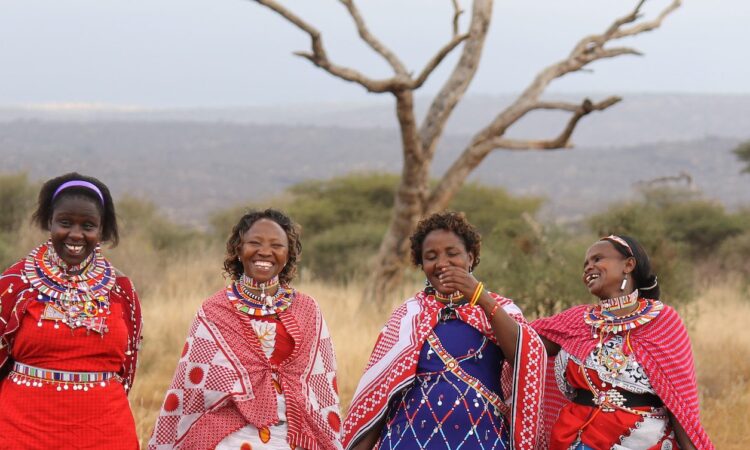
Because of its large size and natural variety, Ngorongoro Conservation Area supports wildlife, human history, and traditional communities. Its scale allows visitors to see many important features in one destination, making it one of the most significant protected areas in Africa.