Ngorongoro District is located in northern Tanzania and is well known for the History of Ngorongoro and its global importance. The area is famous as a Ngorongoro Conservation Area, which is a UNESCO World Heritage Site. It is home to one of Africa’s Seven Natural Wonders, the Ngorongoro Crater, and also the well known Olduvai Gorge, a long and deep ravine linked to early human history.
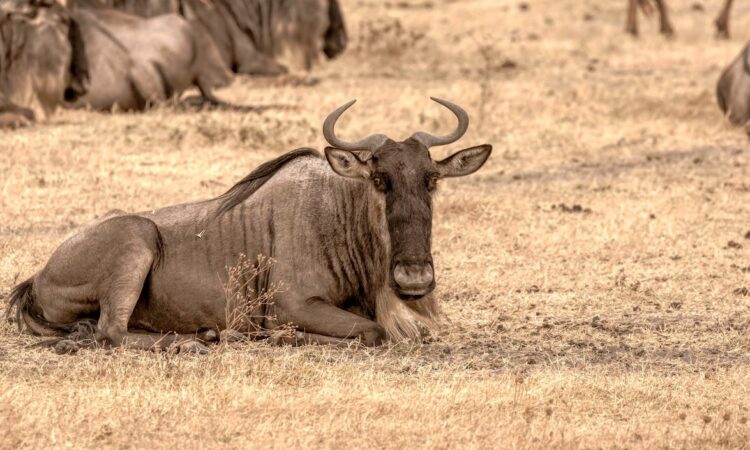
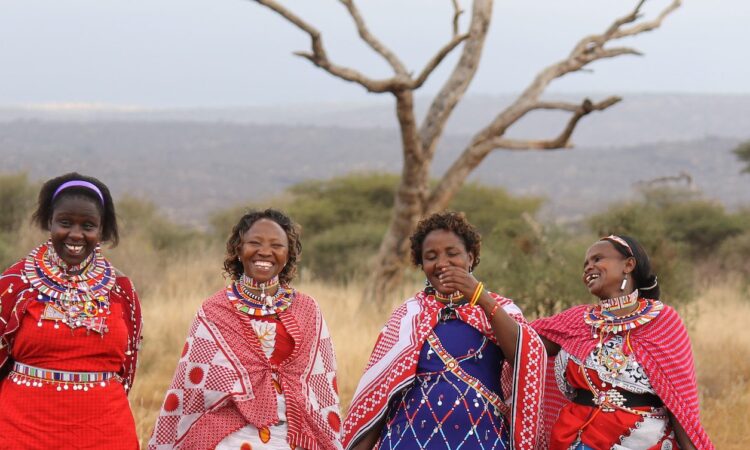
Ngorongoro is special because of its rich wildlife and natural setting. The area supports more than 110 animal species and over 400 bird species. These animals live alongside the Maasai, who are semi nomadic pastoralists. The Maasai have lived in this region for many generations, grazing their cattle and maintaining their traditional way of life while sharing the land with wildlife.
The Ngorongoro Crater is the heart of the conservation area. It is the largest intact extinct volcanic caldera in the world. The crater was formed more than two million years ago when a large volcano erupted and then collapsed into itself. Over time, this created a closed ecosystem that supports wildlife all year round.
Inside the crater, several natural habitats exist side by side. These include forested crater walls, open grasslands, woodlands, marsh swamps, and a shallow alkaline soda lake. This mix of habitats supports about 30,000 animals, both large and small, as well as many bird species.
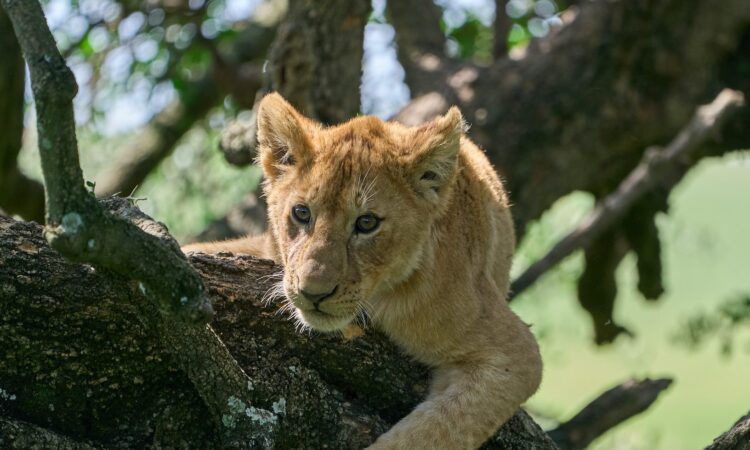
Visitors to the crater are almost guaranteed to see the famous African Big Five. These include lions, leopards, elephants, buffaloes, and the endangered black rhino. Giraffes are the only Big Five related animal not found on the crater floor, but they can be seen in other parts of the Ngorongoro Conservation Area.
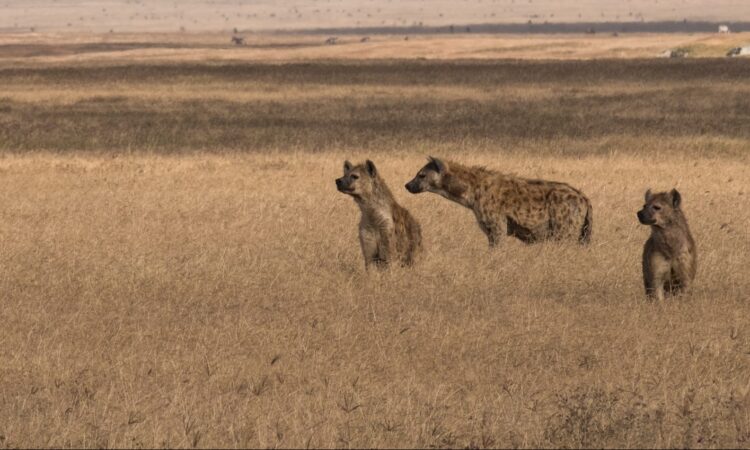
Ngorongoro Crater also has one of the highest concentrations of predators in Africa. Besides lions and leopards, other predators found here include cheetahs, spotted hyenas, jackals, and bat eared foxes. This strong predator population shows how healthy and balanced the ecosystem is.
The History of Ngorongoro is closely linked to geology, wildlife, and human culture. Today, it remains one of the most important protected areas in Africa, valued for conservation, research, and tourism.