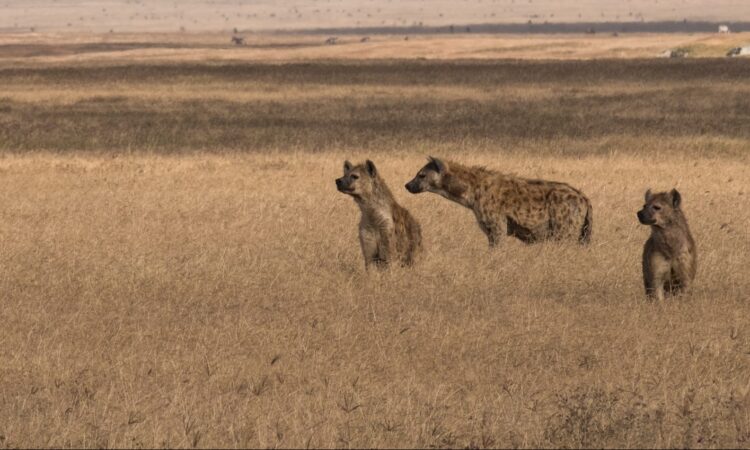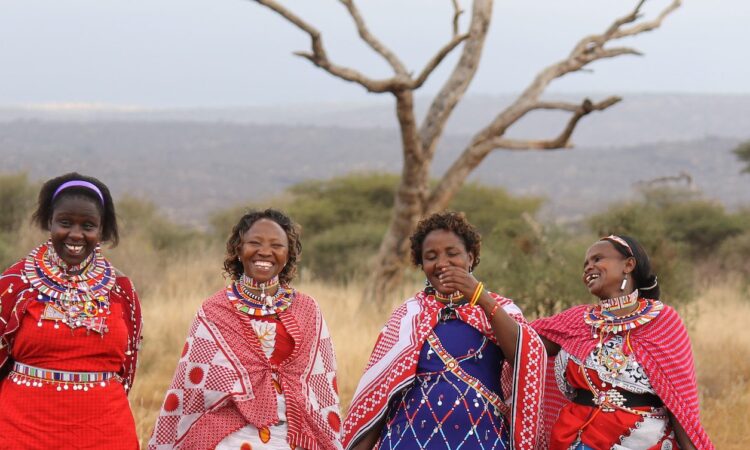
Africa covers about 12 million square miles and is the second largest continent in the world. It makes up about 20 percent of the total land surface on Earth. Africa stretches for about 26,000 kilometers from the eastern coast to the western coastline. The continent is often linked with wildlife, but it is also home to the original Seven Natural Wonders of Africa. Africa has the largest concentration of wild animals in the world, protected in more than 3,000 conservation and protected areas.
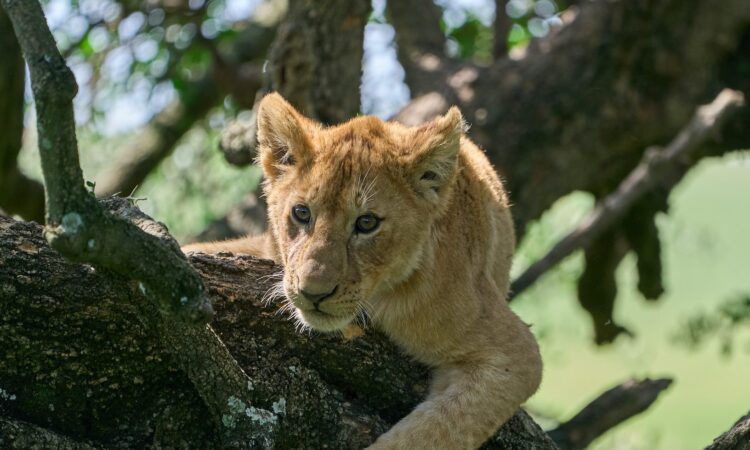
Some of the most well known wildlife species in Africa are the Big Five. These include lions, elephants, leopards, rhinos, and buffaloes. Other animals such as hippos, crocodiles, and gorillas are also strongly linked to Africa’s natural heritage.
Ngorongoro Crater
The Ngorongoro Crater is one of the Seven Natural Wonders of Africa and the second located in Tanzania. It is the largest unbroken caldera in the world. The crater is often called Africa’s Garden of Eden. It is home to about 28,000 animals, including lions, elephants, black rhinos, and hippos. The crater floor supports wildlife throughout the year.
Victoria Falls
Victoria Falls is one of the most famous natural sites in Africa. The falls are located on the Zambezi River in southern Africa, between Zambia and Zimbabwe. Victoria Falls was listed among the Seven Natural Wonders of Africa in February 2013 and is one of the biggest attractions on the continent.
Serengeti Migration
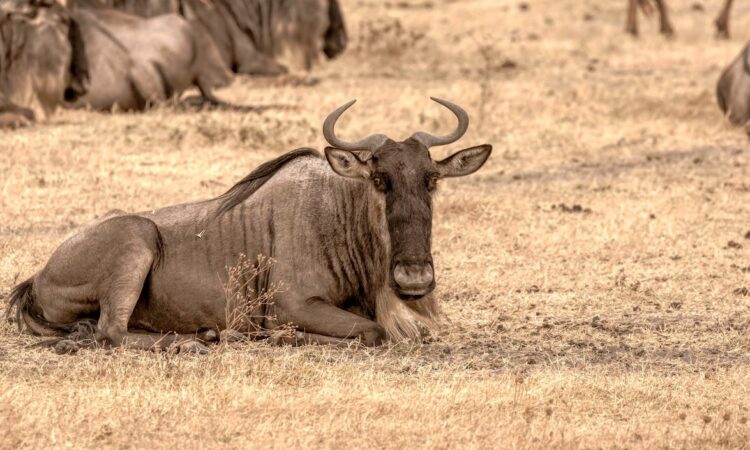
The Great Wildebeest Migration takes place across the Serengeti Plains. These plains are part of the Serengeti National Park in Tanzania and extend into Kenya, where the land is known as the Maasai Mara National Reserve. This movement allows animals to migrate between the two countries in search of food and water.
Fish River Canyon
The Fish River Canyon is found in southern Namibia. It is about 100 miles long and up to 27 kilometers wide, making it one of the largest canyons in the world.
Sahara Desert
The Sahara Desert is the largest and hottest desert in Africa. It is the third largest desert in the world after Antarctica and the Arctic. The Sahara stretches about 4,800 kilometers from east to west and about 1,800 kilometers from north to south.
Nile River
The Nile River is the longest river in the world, measuring about 6,650 kilometers. It flows from Uganda through South Sudan and Sudan, then into Egypt. The river includes the White Nile and the Blue Nile.
Mount Kilimanjaro
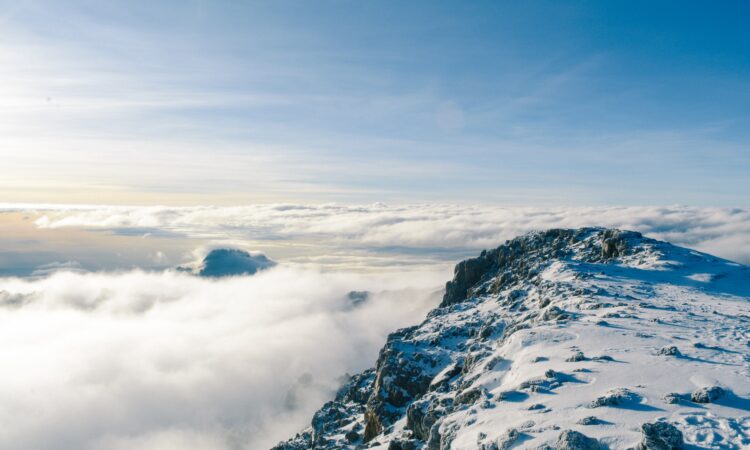
Mount Kilimanjaro is the tallest free standing mountain in the world. It rises about 5,895 meters above sea level and is one of the largest stratovolcanoes on Earth.
Okavango Delta
The Okavango Delta is the largest inland delta in the world. It is located in Botswana and supports a rich wildlife ecosystem. A national park was created to protect this area from poaching and habitat damage.
These Seven Natural Wonders show Africa’s natural importance and its role in protecting wildlife and natural landscapes for the future.