The Masai Mara National Reserve gets its name from the local Maasai people who live in and around this area. The reserve covers about 1,510 square kilometers and is one of the most visited wildlife areas in Africa. A major attraction in the reserve is the Talek Sand River and the Mara River, from which the park gets the second part of its name. These two rivers drain the area and provide water for wildlife and for the Maasai people who graze their cattle nearby.
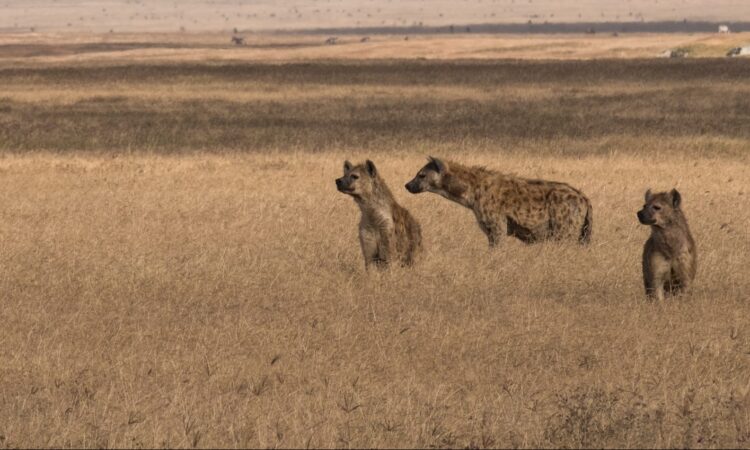
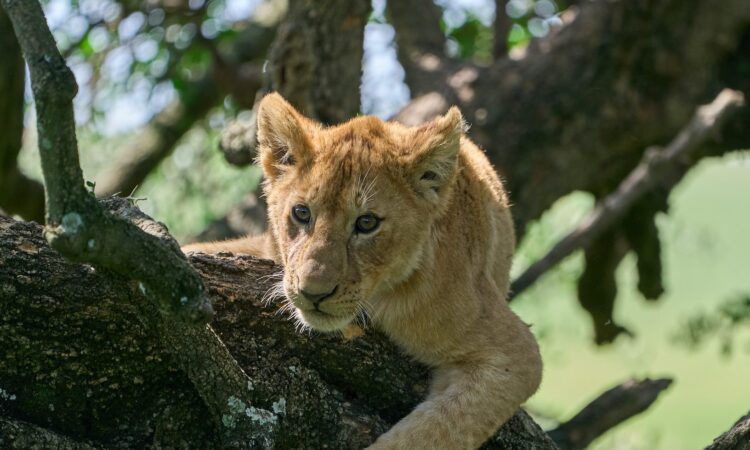
Masai Mara is known for having a large number of wild animals. It is one of the few places in Kenya where wildlife has remained almost unchanged for many years. Visitors can see almost all of the Big Seven animals of Africa, except gorillas. Animals commonly found here include lions, leopards, cheetahs, hyenas, hippos, giraffes, zebras, baboons, crocodiles, waterbuck, reedbuck, roan antelope, warthogs, eland, topi, gazelles, many types of monkeys, and black rhinos. Because of this wide range of animals, Maasai Mara remains a top safari destination in Africa.
The Masai Mara ecosystem includes many areas that help support wildlife conservation. These include Ol Derkesi, Kerinkani, Oloirien, Ol Chorro Oirowua, Olkinyei, Siana, Maji Moto, Naikara, Koiyaki, Lemek, and Kimintet conservancies. These protected ranches play an important role in conserving wildlife and supporting the local communities living around the reserve.
The Maasai People
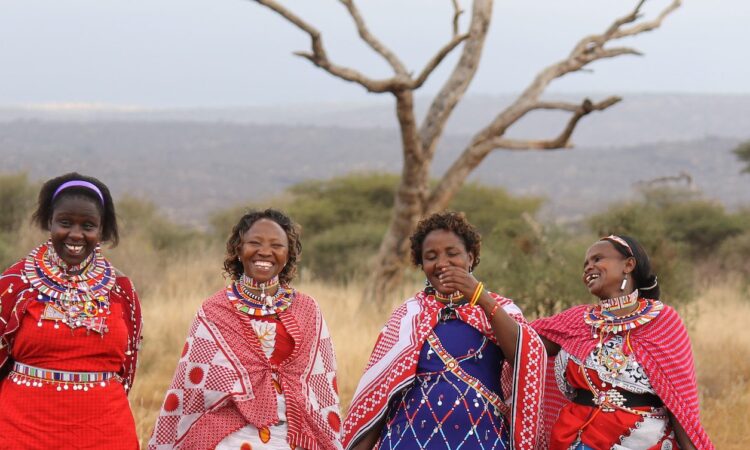
The Maasai are a group of people who live along the southern border of Kenya and the northern border of Tanzania. They are mainly pastoralists, and their lives have traditionally depended on cattle. Cattle influence almost every part of Maasai life, including culture, food, and daily activities. Their clothing is easy to recognize and uses bright colors and beadwork, which makes their appearance unique. The Maasai live around the northern and southern foothills of Mount Kilimanjaro.
Maasai cultural visits are an important part of tourism in the Maasai Mara area. In the community, roles are shared based on age. Men are mainly responsible for grazing cattle, which is very important to the community. Wealth among the Maasai is measured by the number of cattle a person owns. A man with more cattle is seen as wealthier, and traditionally, wealth also allowed a man to have more than one wife. The plains near Mount Kilimanjaro provide good grass for cattle, which supports the Maasai way of life.
Best Time to Visit Maasai Mara
The best time to visit the Maasai Mara depends on your budget and the time you have available. The reserve can be visited throughout the year.
Peak Season
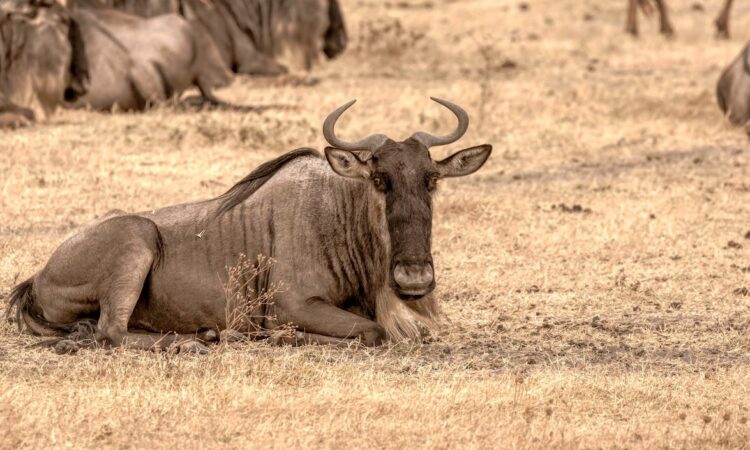
Peak season usually falls during the dry months from mid June to September and from December to February. The period from June to September is especially popular because it coincides with the wildebeest movement from the Serengeti National Park into Maasai Mara. If seeing this movement is your main goal, this is the best time to visit.
Rainy or Low Season
The rainy season happens from March to mid June and again from October to November. During this time, there are fewer visitors, making it suitable for travelers who prefer quieter safaris. The grass is green, which is good for photography. Even though it is called the rainy season, it does not rain all day or every day, and wildlife viewing is still possible.