There are several camping sites in the Ngorongoro Conservation Area. These campsites are divided into public and private options. Camping is a good choice for travelers on a budget because it helps reduce safari costs while still allowing access to the main wildlife areas. Camping also gives visitors a closer connection to nature during their stay.
Ngorongoro Conservation Area is one of the most visited tourist destinations in Tanzania, together with Serengeti National Park. Many safari routes include Ngorongoro, Serengeti, Tarangire National Park, Lake Manyara National Park, and Kilimanjaro National Park, which is home to the highest mountain in Africa.
The Ngorongoro Conservation Area has several entry gates. All gates are open to the public and none are restricted to specific groups. The area is well known for hosting the world’s largest intact crater, the Ngorongoro Crater. The crater is about 610 meters deep and covers around 264 square kilometers. The full conservation area covers about 8,292 square kilometers, making it one of the largest protected areas in Tanzania.
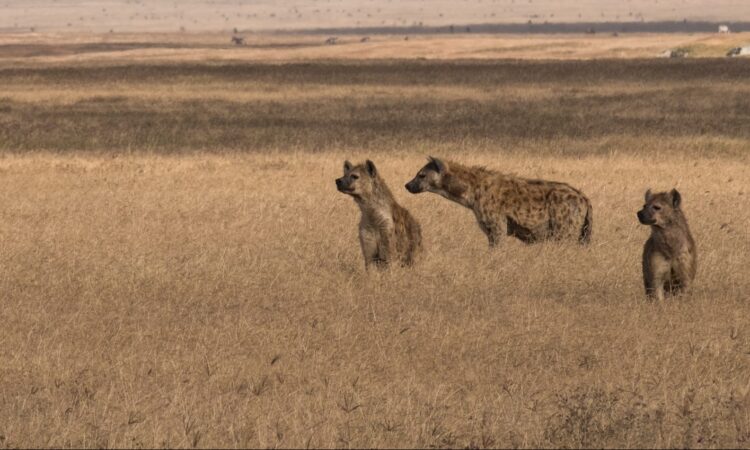
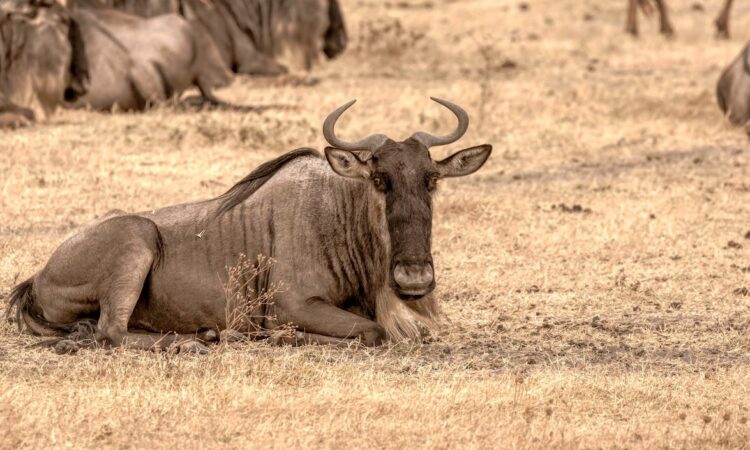
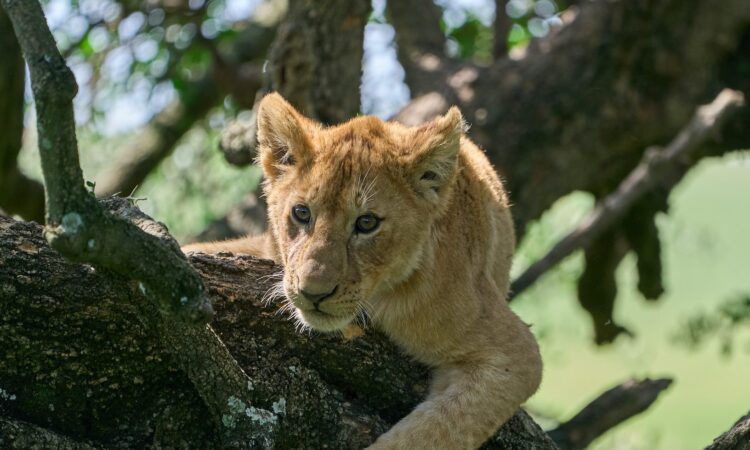
Ngorongoro is home to many animals, including the Big Five. These are lions, elephants, buffaloes, leopards, and the endangered Black Rhinoceros. Around 25,000 large animals have been recorded in the area in recent times, making it one of the best places for wildlife viewing.
Simba Campsite
Simba Campsite is one of the main public campsites in the Ngorongoro Conservation Area. It offers shared bathrooms and toilets. There is also a restaurant and a bar where visitors can buy food and drinks. Simba Campsite is one of the largest camping areas in Ngorongoro and is commonly used by budget travelers and overland safari groups.
Ngorongoro Crater Camping Sites and Birdlife
Ngorongoro is also important for birdlife. Over 550 bird species have been recorded in the conservation area. These include both resident and migratory birds. Birds commonly seen include ostriches, African spoonbills, kori bustards, secretary birds, capped wheatears, fan tailed widowbirds, and many others. This makes the area suitable for bird watching.
Apart from public campsites, visitors can also choose luxury tented camps and lodges. These are found both inside and outside the conservation area. Accommodation options include Ngorongoro Rhino Lodge, Ngorongoro Wildlife Lodge, Ngorongoro Serena Safari Lodge, Ndutu Safari Lodge, Gibbs Farm, Ngorongoro Crater Lodge, and Karatu Tented Lodge.
Ngorongoro can be visited at any time of the year. The best time depends on your budget and schedule. The dry season runs from mid June to September and from December to February. The rainy season is from March to mid June and from October to November. During the rainy months, there are fewer visitors and travel is still possible because it does not rain all day.