The Maasai are a well known group of people who live along the northern border of Tanzania and the southern border of Kenya. For many generations, the Maasai have been pastoralists, meaning their lives depend mainly on cattle. Although some Maasai now take part in farming and modern work, cattle still play a central role in their daily life and culture.
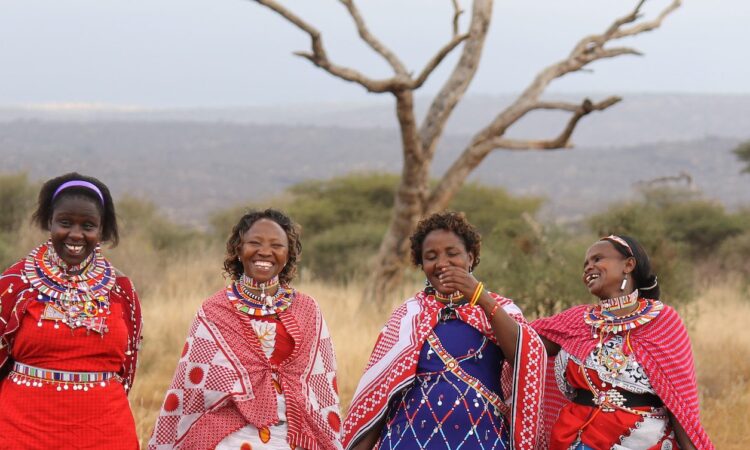
The Maasai are also known for their unique dressing style. They wear bright clothing and use many beads in their jewelry. Beads are worn by both men and women and are important during ceremonies. Many Maasai live around the foothills of Mount Kilimanjaro and inside the Ngorongoro Conservation Area. These areas have open plains that support grass growth for grazing cattle.
Maasai culture is based on age groups and clear roles within the community. Men are mainly responsible for grazing and protecting cattle. Cattle are a symbol of wealth, and a man’s status is often measured by the number of cows he owns. Traditionally, men with more cattle could support larger families. The grasslands of the Ngorongoro area provide good grazing, which helps the Maasai maintain their herds.
So why do the Maasai drink cattle blood?
The Maasai use cattle blood and milk during important events such as weddings, rituals, and healing practices. They believe that mixing blood with milk creates a strong and healthy food. This mixture is given to children to help them stay strong and avoid illness. Women who have just given birth are also given this mixture to help them recover.
Maasai men may also drink the mixture to recover after long celebrations. Some people describe the taste as thick and slightly sweet, with a thin layer forming on the surface soon after it is collected.
The Maasai do not kill a cow to collect blood. Instead, they carefully wound the animal, usually on the neck, and collect a small amount of blood using a pot or calabash. This is done about once a month and on different cows so that no single animal is harmed.
This method allows the Maasai to keep their cattle alive and healthy. Large herds are a sign of pride and wealth, so reducing the number of animals is avoided. Drinking cattle blood is therefore both a cultural practice and a practical way to protect their most important resource.